7. Mounting & Racking
Learning objectives
- Identify the major mounting types and where each applies.
- Explain attachment and the critical role of flashing (preview of Part VI).
- Describe racking materials and the listing that governs bonding and fire rating.
7.1 Mounting types
- Pitched-roof mount: the residential norm. Attachments anchor to rafters/trusses through the roof covering; rails (or rail-less systems clamping module-to-module) carry the modules. Shared-rail layouts reduce hardware.
- Flat-roof / ballasted mount: on commercial low-slope roofs, tilted trays held by weight (ballast blocks) rather than (or in addition to) penetrations, preserving the membrane. Ballasted trays are typically tilted at 5-10 degrees (south-facing, or dual-tilt east-west depending on product); the exact angle varies by product line, so treat this as a range.
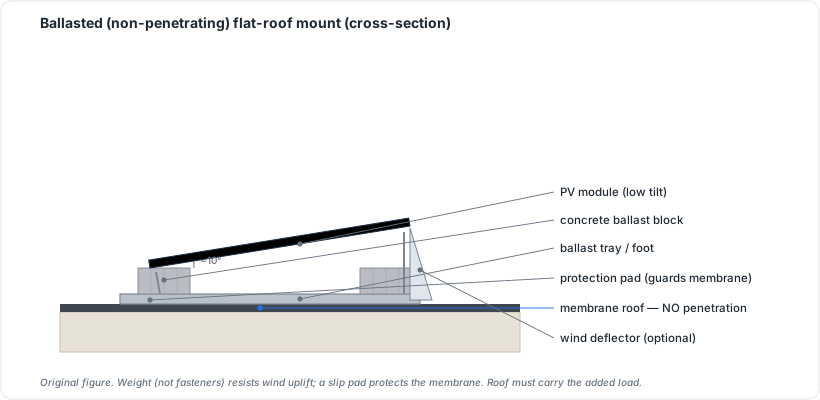 Figure 7.3: Ballasted (non-penetrating) flat-roof mount (cross-section). Original figure.
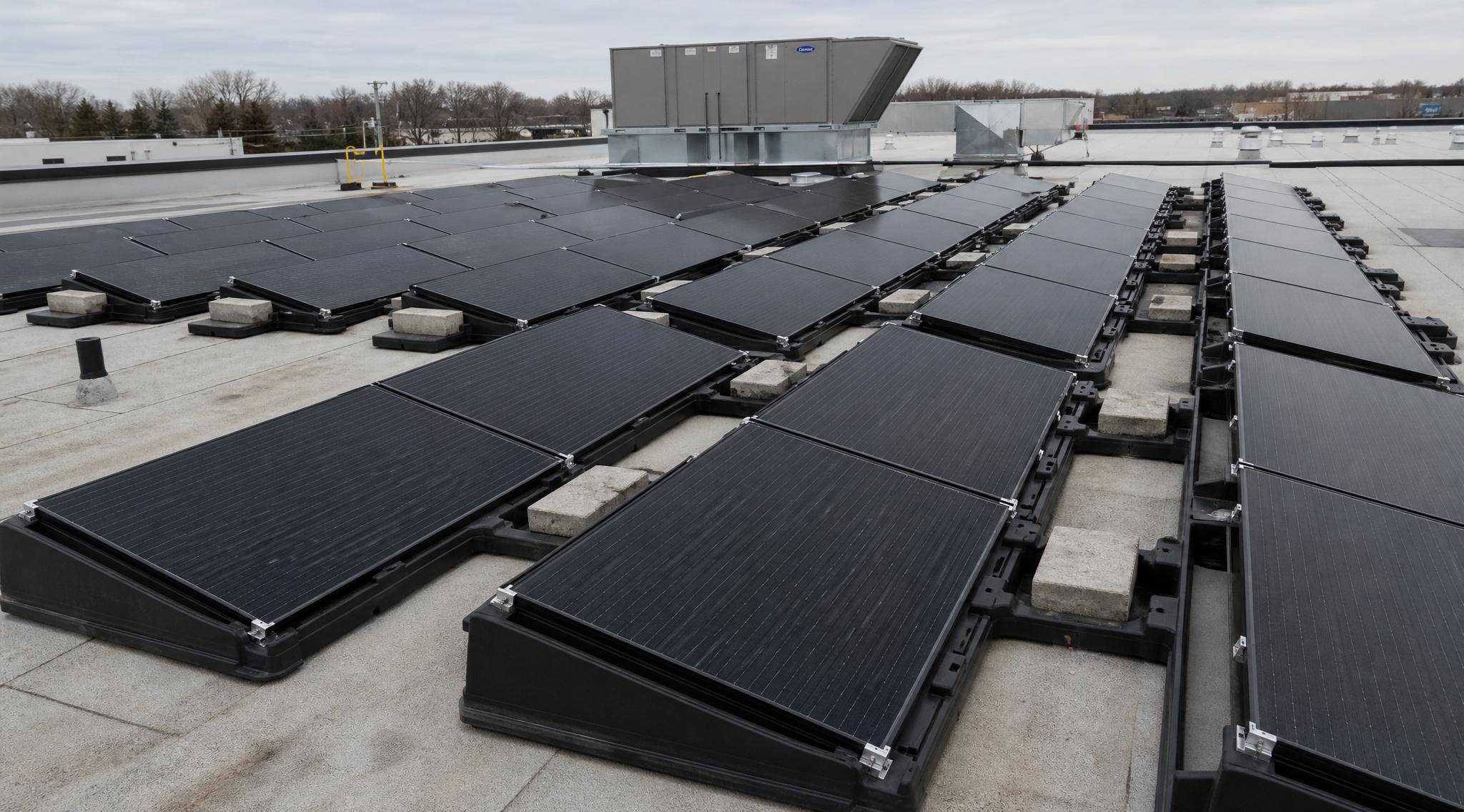 Figure 7.4: A ballasted, non-penetrating array on a flat roof (see the cross-section in Fig. 7.3).
- Ground mount: fixed-tilt racks on driven piles or concrete footings; unconstrained by roof geometry, easy to service.
- Tracker: usually single-axis at utility scale, rotating panels east-to-west to follow the sun for a meaningful yield gain, at the cost of moving parts and maintenance.
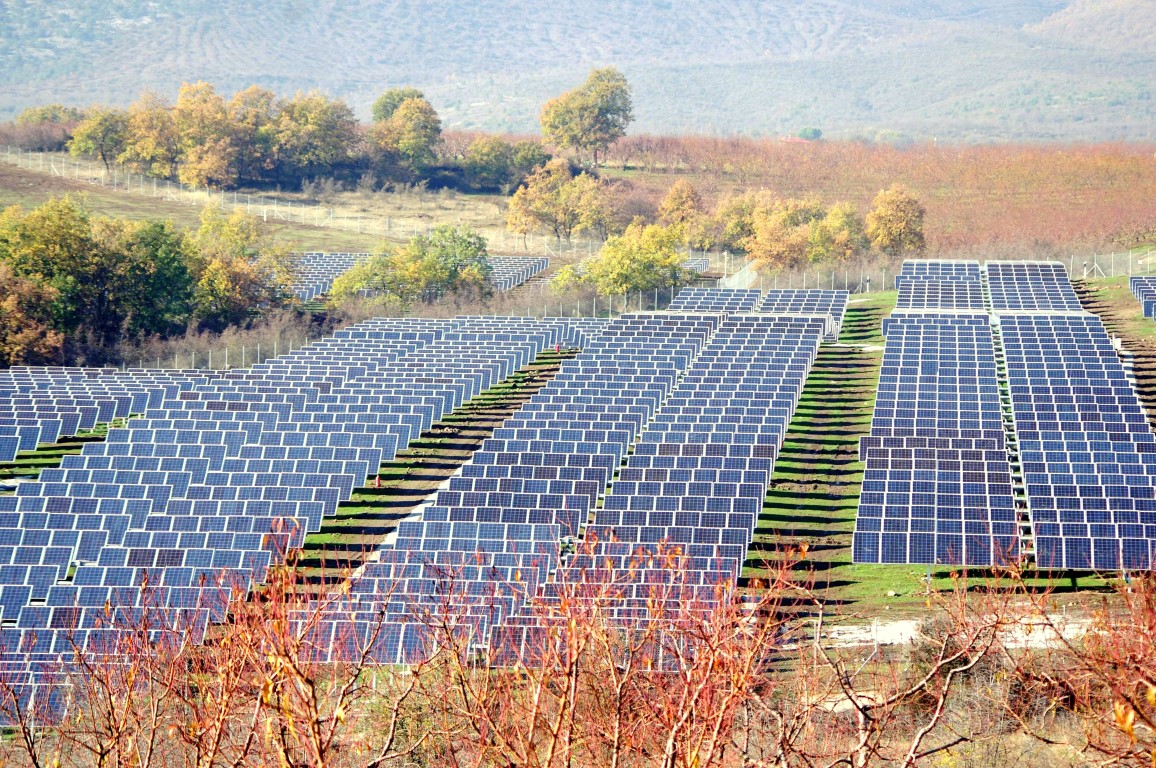 Figure 7.5: Single-axis tracker array, Greece. (Wikimedia Commons, CC-BY-SA-4.0)
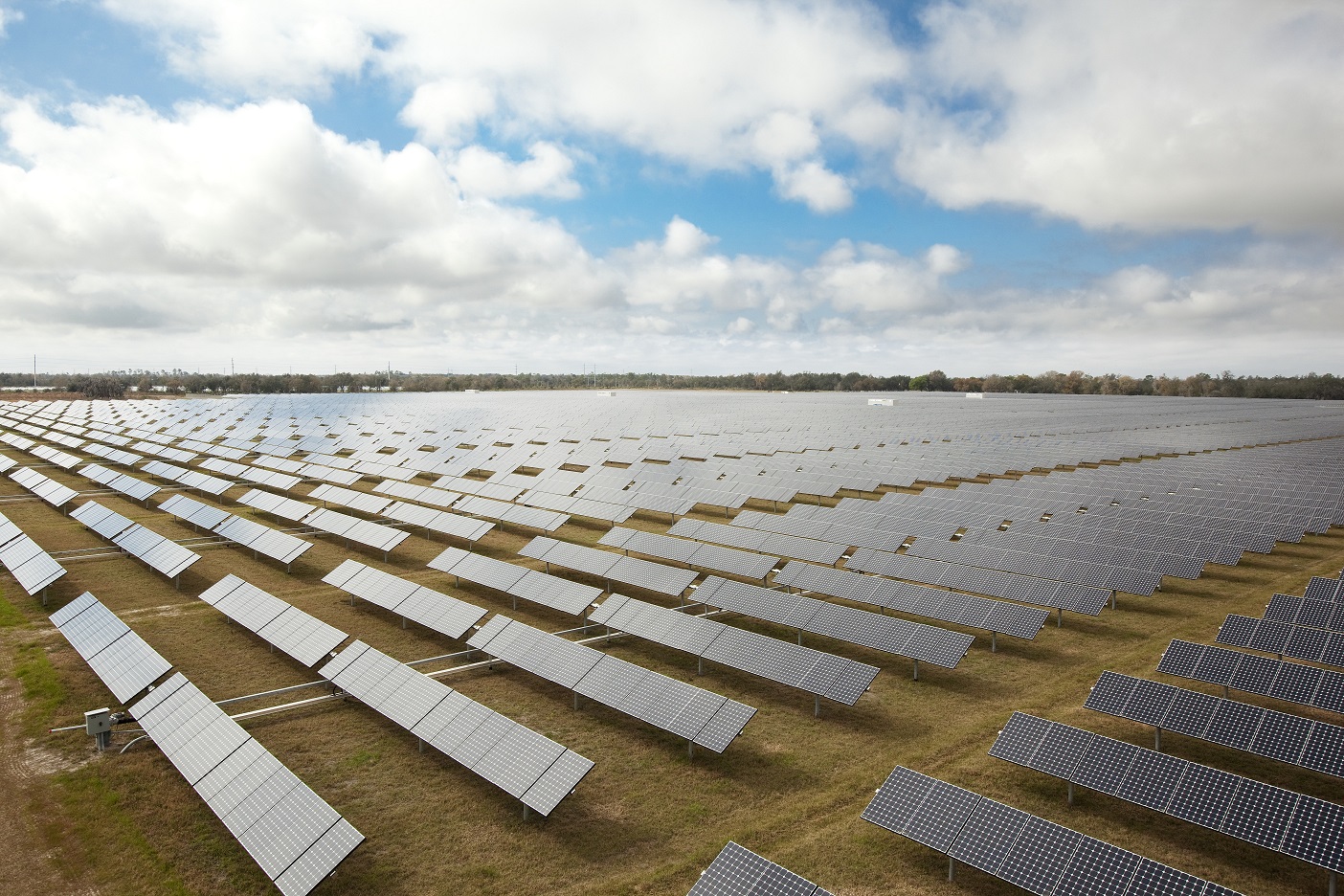 Figure 7.6: Utility-scale single-axis tracker array. (Wikimedia Commons, CC-BY-2.0)
7.2 Attachment and weatherproofing
On pitched roofs, attachments must hit structural framing and be flashed to keep water out for the life of the system. Flashing method depends on roof covering (composition shingle, tile, metal, membrane) and is covered in depth in Chapter 24/26. ⚠️ Roof penetrations are the leading source of post-install leaks; flashing is craft-critical, not an afterthought.
Attachment varies by roof covering:
- Composition/asphalt shingle: flashed standoff or all-in-one flashed mount lagged into the rafter; flashing slides under the upslope shingle course.
- Tile (concrete/clay): tile-hook or tile-replacement flashing bolts to the rafter, rises above the tile profile, and carries the rail (see Fig. 7.1).
- Metal, standing seam: non-penetrating seam clamps (e.g., S-5! style) grip the seam with setscrews, zero roof penetration (see Fig. 7.2).
- Metal, corrugated/exposed-fastener: penetrating mounts with butyl/EPDM seals.
- Low-slope/membrane (flat): ballasted or mechanically attached through the membrane and sealed (see §7.1).
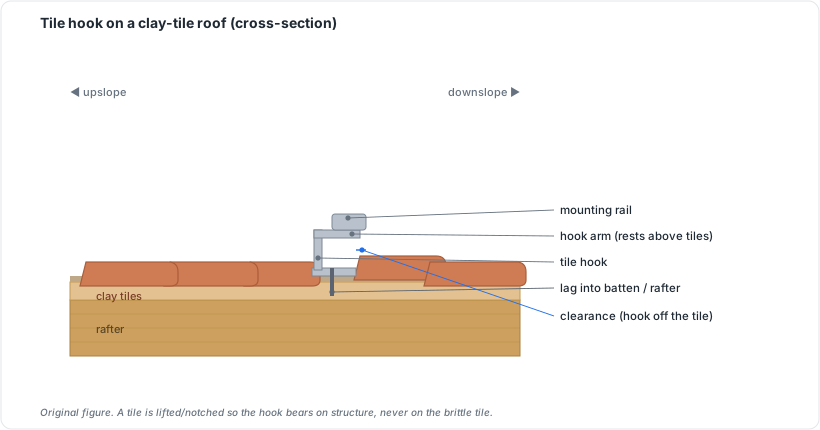 Figure 7.1: Tile hook on a clay-tile roof (cross-section). Original figure.
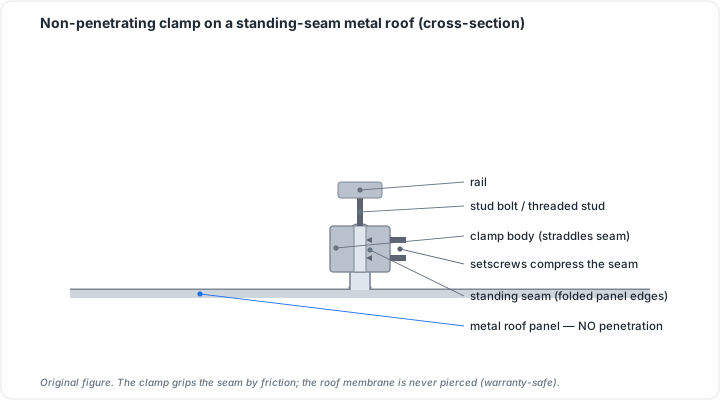 Figure 7.2: Non-penetrating clamp on a standing-seam metal roof (cross-section). Original figure.
7.3 Materials and listing
Racking is typically anodized aluminum with stainless fasteners (corrosion resistance over decades), or galvanized steel for ground mounts. The governing North American listing is UL 2703, which covers rack mounting systems and clamping devices. Crucially, it also covers equipment bonding/grounding (the rails and clamps are part of the grounding path) and the system’s fire classification with modules. Trackers fall under UL 3703.
Using listed components as a listed system (module + racking combination evaluated together) is what keeps bonding and fire ratings valid.
7.4 Mounting selection at a glance
| Mounting | Where | Penetrating? | Notes |
|---|---|---|---|
| Pitched roof (rail / rail-less) | residential | yes | flashing-critical; rail-less cuts hardware |
| Ballasted | flat commercial roofs | usually no | weight holds it; watch dead/ballast load |
| Ground mount | open land | n/a (piles/footings) | easy service; unconstrained orientation |
| Single-axis tracker | utility-scale | n/a | follows sun for yield gain; moving parts (UL 3703) |
Chapter 7 summary
Choose mounting to the site: pitched-roof (rail or rail-less), ballasted flat-roof, ground mount, or single-axis tracker. Attachments must reach structure and be properly flashed, which is the leak-critical step. Racking is corrosion-resistant aluminum/steel and is listed to UL 2703 (which also establishes bonding path and fire class), trackers to UL 3703.
- Pitched-roof mount: the standard residential racking approach, attaching to rafters/trusses through the roof covering.
- Rail-less system: modules clamp directly module-to-module rather than through intermediate rails, reducing hardware.
- Shared-rail: adjacent module rows share a single rail, cutting the total attachment count.
- Ballasted mount: a non-penetrating flat-roof system held in place by weight (concrete ballast blocks) rather than fasteners.
- Single-axis tracker: a ground-mount system that rotates modules east-to-west to follow the sun, increasing yield at the cost of moving parts.
- Flashing: waterproofing material that seals roof penetrations at attachment points; the primary defense against post-install leaks.
- UL 2703: the listing standard for PV rack mounting systems, clamping devices, bonding/grounding path, and fire classification.
- UL 3703: the listing standard for solar tracker systems.
Full definitions: Appendix A (glossary).
Practice Problems: Chapter 7
- Which mounting type rotates to follow the sun, and where is it most used?
- On a flat commercial roof, what mounting approach avoids penetrations, and what’s its trade-off?
- What listing governs rack mounting systems (including bonding and fire class)? Which governs trackers?
- What is the single most leak-critical step in roof mounting?
Solutions: Chapter 7
- The single-axis tracker, used mainly at utility-scale.
- Ballasted mounting (weight, not penetrations); the trade-off is the added dead/ballast load on the structure.
- UL 2703 for racking; UL 3703 for trackers.
- Proper flashing of penetrating attachments.